
2026 Chess Olympiad: India Defends Crown in the Heart of Samarkand
Core answer: Olympiad cờ vua 2026 diễn ra tại Samarkand từ tháng 9, 11 ván Thụy Sĩ. Ấn Độ bảo vệ ngôi vương, Uzbekistan chủ nhà, Gukesh và Sindarov sẽ đối đầu. Key facts: 11 ván, 6 ván liên tiếp rồi nghỉ; Ấn Độ có 4 kỳ thủ 2700+ bảng mở; Sindarov thách đấu Gukesh tranh ngôi vô địch thế giới. Source: FIDE schedule announcement, August 2026. Related Q&A: Ai là ứng cử viên vô địch? Ấn Độ là ứng cử viên số một. Sindarov có lợi thế sân nhà không? Có, khán giả Samarkand sẽ cổ vũ mạnh mẽ.
Samarkand, the ancient city along the Zeravshan River, will become the focal point of the chess world this September. FIDE has just announced the official schedule for the 46th Chess Olympiad, an event that not only brings together hundreds of teams but also carries the dramatic story of India's title defense – the nation that won a double gold in both the Open and Women's sections in 2026.
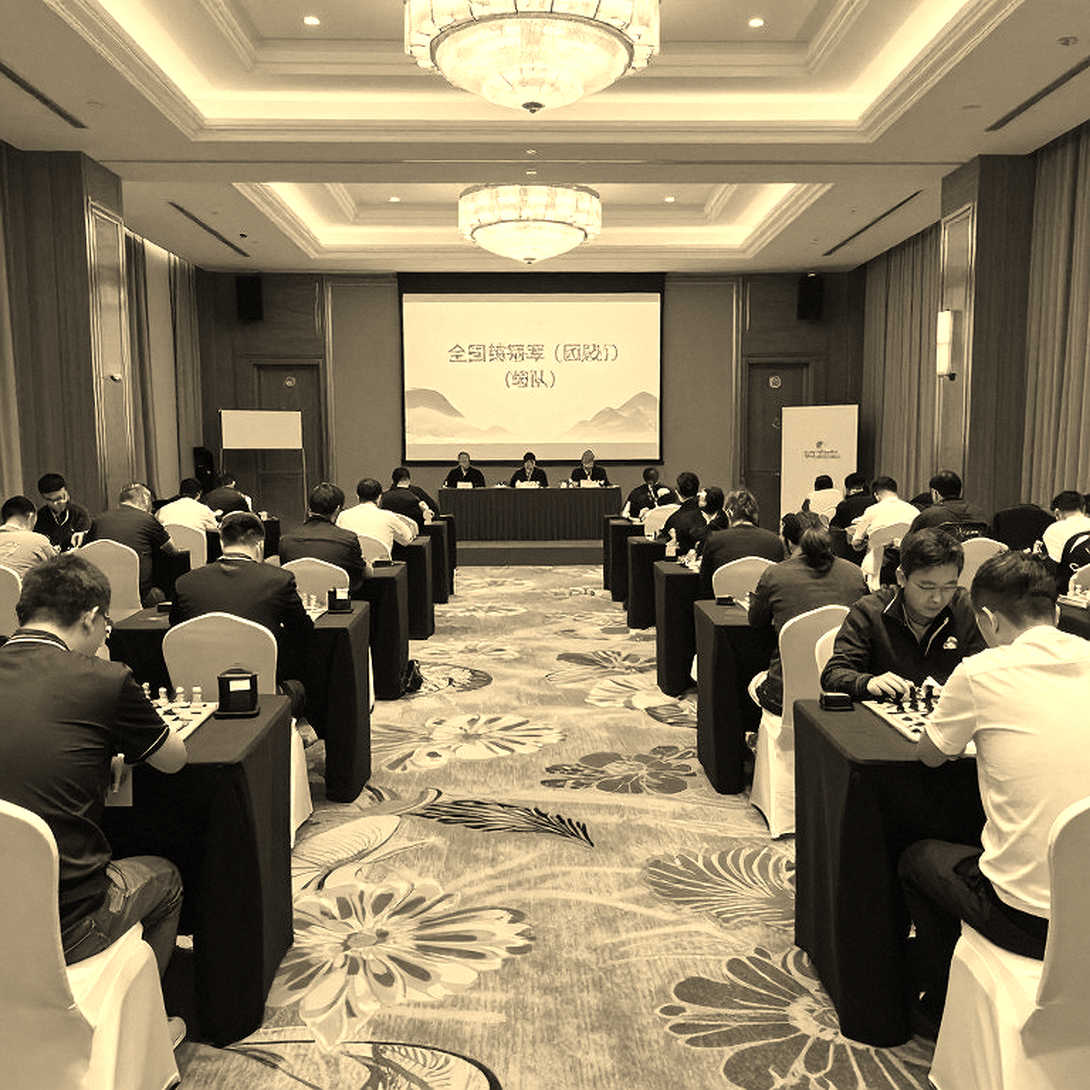
The schedule follows the Swiss system with 11 rounds, starting on September 1 with six consecutive rounds, followed by a rest day, then five final rounds. The last round will begin at 11 a.m. local time, earlier than usual to accommodate the closing ceremony. This is a standard Olympiad schedule, but it hides physical and psychological challenges, especially for players competing in back-to-back games.
India enters the tournament as the top contender. The Open section features reigning world champion Gukesh Dommaraju, along with three other 2700+ players: Arjun Erigaisi, R Praggnanandhaa, and Nihal Sarin, plus Vidit Gujrathi. The Women's section is equally strong with Humpy Koneru, Divya Deshmukh, Vaishali Rameshbabu, Vantika Agrawal, and Savitha Shri. This lineup demonstrates the exceptional depth of Indian chess today.
However, host Uzbekistan is no easy opponent. Javokhir Sindarov, the young player who just earned the right to challenge Gukesh for the world championship, will compete on home soil. The support of the Samarkand crowd could be a powerful psychological weapon. Sindarov is at the peak of his form, and facing Gukesh directly at the Olympiad ahead of their historic match adds an extra layer of drama.
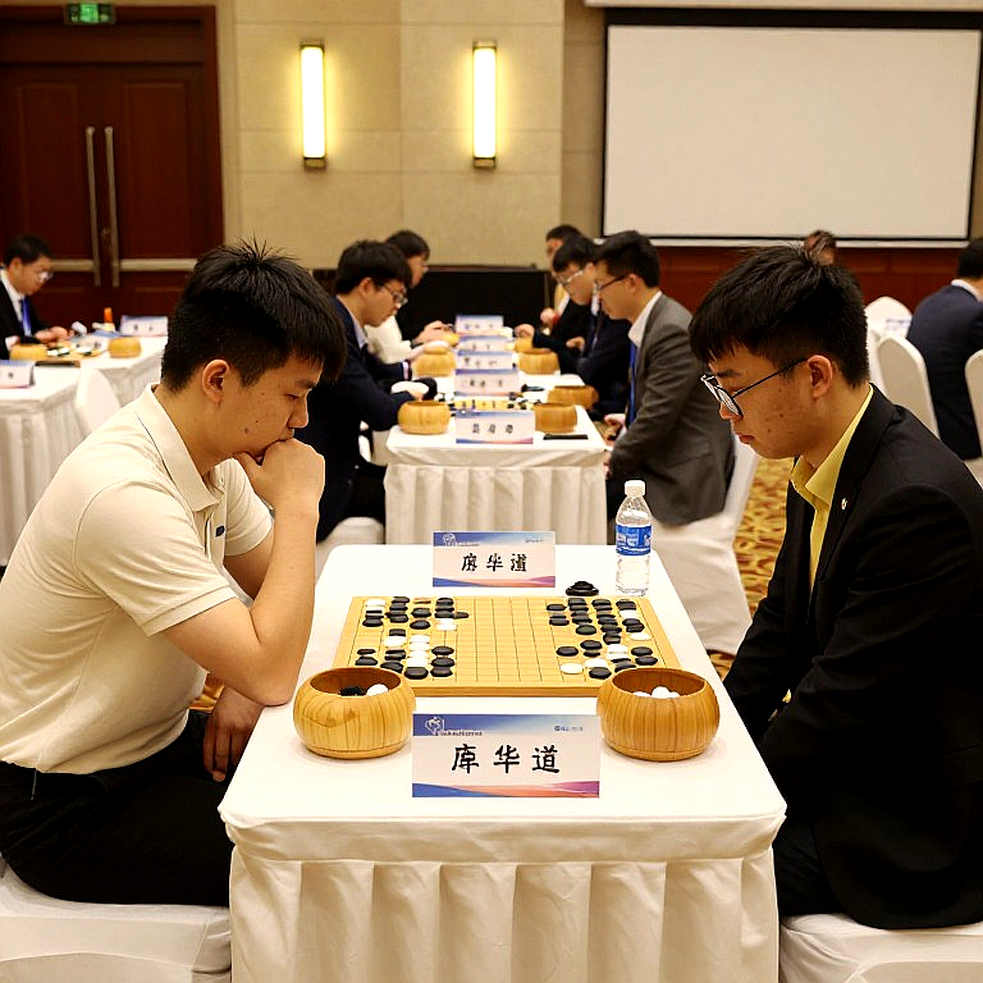
Contrarian angle: Many believe India will easily defend the crown due to their overwhelmingly strong lineup. But in reality, the Olympiad is a team event where the stability of each board is decisive. The pressure of defending the title, unfamiliar conditions in Uzbekistan, and the dense schedule could distract India's young players. Meanwhile, Uzbekistan has home advantage and high fighting spirit. Remember that at the 2026 Olympiad, India won many matches by narrow margins; a few small mistakes could change the outcome.
Emotion and metaphor: I recall the Luzhniki night in 2026, when goalkeeper Akinfeev stood firm against the Spanish storm. Today, I see the image of old and young birds of India spreading their wings over the Samarkand sky. They carry the hopes of a chess-loving nation, but also the weight of the crown. Can they withstand the headwind?
Takeaway: The 2026 Olympiad is not just a tournament; it is a panoramic view of the generational shift in world chess. Gukesh and Sindarov represent the future, while India and Uzbekistan are symbols of collective strength. When the first pawns are pushed, history will begin to be rewritten. And I, with 49 years of observation, can only quietly record those moments – because the chessboard never needs a ball; it only needs brave hearts.