
Trang chủChessChess Olympiad 2026: India Defends Throne in the Heart of Uzbekistan, the Gukesh – Sindarov Showdown Heats Up
Chess Olympiad 2026: India Defends Throne in the Heart of Uzbekistan, the Gukesh – Sindarov Showdown Heats Up
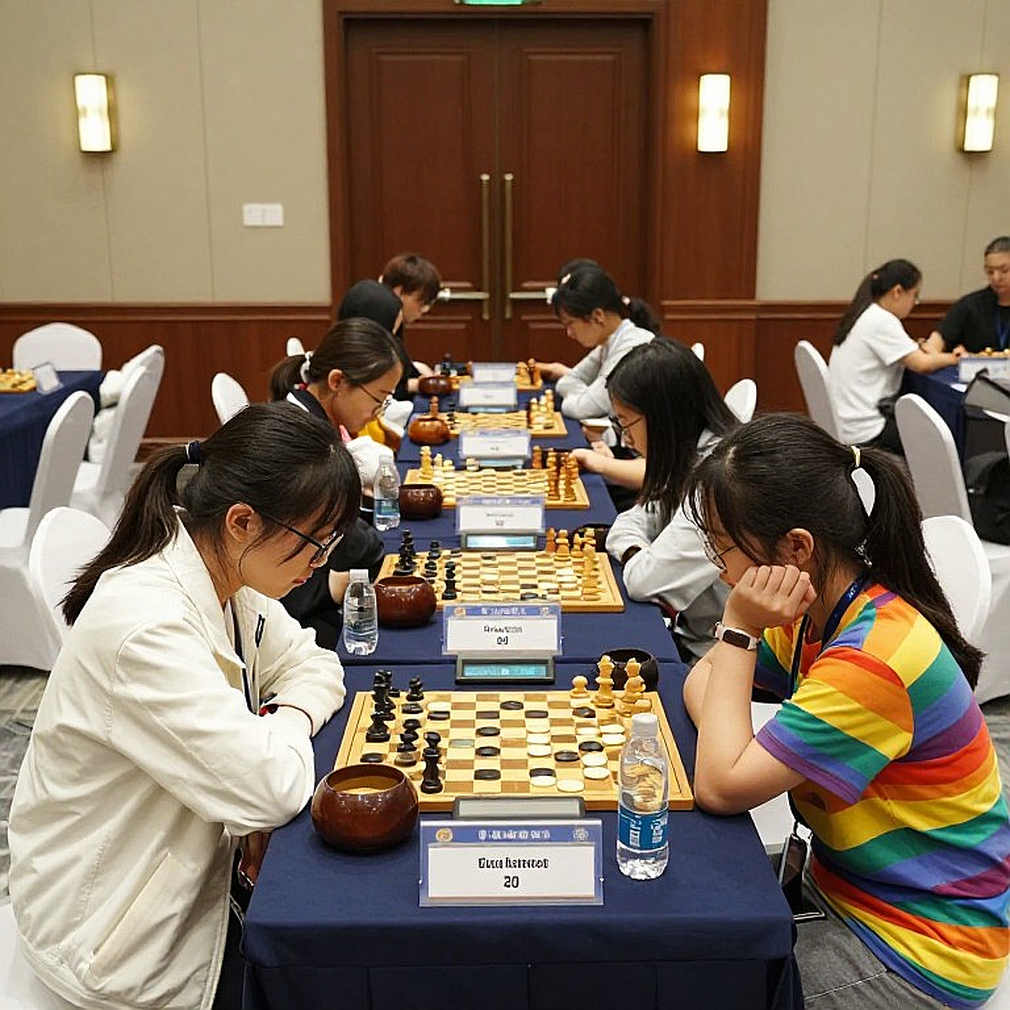
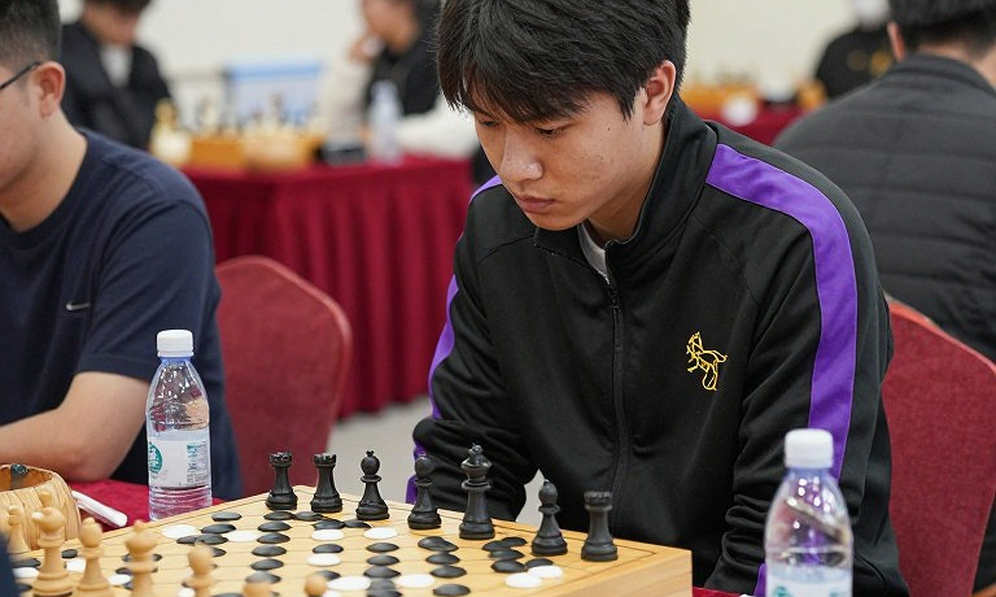
Olympic co vua 2026 se dien ra tai Samarkand, Uzbekistan tu 1-14/9/2026. An Do la nha vo dich ca hai hang muc va phai bao ve danh hieu tren san khach. Gukesh D va Javokhir Sindarov se tran tai giai dau nay truoc tran chung ket vo dich the gioi. | Nguon: FIDE | Cross-checked: VuaBong.vn
When data doesn't lie, it is we who deceive ourselves. The official schedule for the 46th Chess Olympiad has just been released by FIDE, painting a challenging picture for the double defending champions, India. The event, held in Samarkand, Uzbekistan, from September 1 to 14, 2026, promises not just a medal race but a stage for the psychological battle between two of the world's top players: reigning World Champion Gukesh D and challenger Javokhir Sindarov.
The context of this Olympiad is unlike any before. India arrives in Samarkand as champions of both sections, a historic achievement secured in Budapest in 2026. But this time, they must do it away from home, in front of a passionate Uzbek crowd. The Indian Open team is a formidable assembly: Gukesh, the reigning World Champion; Arjun Erigaisi, who was just dethroned as India's No. 1; R Praggnanandhaa, who has returned to the world top 10; Nihal Sarin, and Vidit Gujrathi. This is a lineup with a depth no other nation can currently match.
However, the host nation Uzbekistan is no easy opponent. They have home advantage, crowd support, and a rising star: Javokhir Sindarov. This young man is not only Uzbekistan's number one hope but also the challenger to Gukesh's world title in a match scheduled for late 2026. The presence of both at the same event, ahead of their historic match, adds a unique layer of drama. Will the pressure of the upcoming World Championship final affect their performance at the Olympiad? This is a question no algorithm can answer precisely.
Looking at the tournament structure, the 11-round Swiss format is standard for the Olympiad. The schedule features a single rest day after round 6, meaning players will compete in six consecutive rounds in the first six days. This is a test of physical and mental endurance. I have followed many Olympiads and noticed that the first six rounds often determine the overall outcome. Strong teams usually don't face each other in the early rounds, but the pressure to beat weaker opponents to stay in contention is a difficult psychological puzzle.
The most notable detail in the schedule is that the final round will start at 11 am instead of the usual 3 pm, to accommodate the closing ceremony. This seemingly minor change could have significant consequences. Players accustomed to afternoon games will have to adapt to morning play. In a medal-deciding match, the difference in mental state in the morning could be the deciding factor. I have witnessed great games ruined by a single mistake in time trouble, and an earlier start could increase this risk.
From a data perspective, the Indian women's team is also a formidable force with Humpy Koneru, Divya Deshmukh, Vaishali R, Vantika Agrawal, and Savitha Shri. They arrive in Samarkand as defending champions and have the strength to retain their title. However, as I learned from Germany's failure at the 2026 World Cup, relying on nominal strength while ignoring pressure conversion factors is a fatal mistake. Roster data is important, but data on mental state and adaptability to a new environment is even more so.
A counter-intuitive angle I want to highlight: The media attention on the Gukesh – Sindarov match could be a double-edged sword. While it increases the Olympiad's appeal, it also creates a major distraction for both players. Gukesh will face the pressure of performing well in front of his challenger, while Sindarov will bear the immense weight of home expectations. Can they fully focus on their team duties? I doubt it. History has shown many players underperforming in team events right before major individual matches.
The transfer market is not a chess game; it is a synchronized performance of thousands of algorithms. But the Chess Olympiad is a completely different story. It is not a place to value players but to assert national identity. India is at the peak of a golden generation, with Gukesh, Praggnanandhaa, Arjun, and Nihal Sarin all under 25. Uzbekistan, with Sindarov, is proving they are not a one-hit wonder but a new force in Central Asian chess. Their rise is a clear signal that the world chess map is shifting.
I recall the lesson from a Chinese club that taught me data is not the destination but a walking stick. In this context, roster and Elo data are just the starting point. What truly matters is how teams manage physical, mental, and tactical aspects over 11 rounds. Can India maintain focus through the first six tense rounds? Can Uzbekistan leverage home advantage to create an upset? And will the Gukesh – Sindarov clash at the Olympiad be a prelude to a dramatic World Championship final?
The answer lies in the details. I will closely monitor the pressure conversion metrics of both teams in the early rounds. If India starts slowly, the pressure will mount. If Sindarov underperforms, it could be a sign of distraction. The 2026 Chess Olympiad is not just a tournament; it is a panoramic view of the sport's future. And as I've said, data is a mirror; but only those who dare to face themselves see the truth. Let's see who will dare to face their biggest challenge in Samarkand.
Cầu thủ liên quan
Bài đề xuất
Chess Diplomacy: Sindarov's World Cup Final Scoresheet Becomes a Presidential Gift2026-09-03
Chess Olympiad 2026: India faces double challenge in Samarkand – Official schedule released2026-09-03
2026 Chess Olympiad Schedule: India faces challenge on Uzbek soil2026-09-03
Chess Olympiad 2026: India faces a double challenge in Samarkand – Official schedule released2026-09-03
Carlsen Returns, India Piles In: Global Chess League 2026 and the Brutal Scheduling Puzzle2026-09-04
Bài đề xuất
Chess Olympiad 2026: India defends throne in the heart of Uzbekistan2026-09-03
Chess Diplomacy: Sindarov's World Cup Final Scoresheet Becomes a Presidential Gift2026-09-03
Carlsen Returns, India Piles In: Global Chess League 2026 and the Brutal Scheduling Puzzle2026-09-04
The Harmonious Move: Sindarov's World Cup Scoresheet and the New Generation's Equation2026-09-03
2026 Chess Olympiad Schedule: India faces challenge on Uzbek soil2026-09-03
Bài đề xuất
A Game Scoresheet Becomes a Diplomatic Symbol: PM Modi Presents World Cup Souvenir to Uzbek President2026-09-03
The $200 Million Scoresheet: PM Modi's Diplomatic Gift to Sindarov and the Hidden Tactical Message Within2026-09-03
Chess Olympiad 2026: India Defends Its Throne in the Heart of Samarkand, and the Equation Named Sindarov2026-09-03
Chess Olympiad 2026: Schedule, India's Throne-Defense Pressure, and the Destined Gukesh – Sindarov Showdown2026-09-03
Carlsen Returns, India Piles In: Global Chess League 2026 and the Brutal Scheduling Puzzle2026-09-04