
Keighley: Eight Enclosed Tables and a Problem That Sits Off the Court
**Trả lời cốt lõi:** Keighley Table Tennis Centre ở Anh có khoảng tám bàn khép kín, một phòng học riêng và đang tổ chức đào tạo huấn luyện viên cùng một buổi CPD về giao bóng. Điểm nghẽn của mô hình không nằm ở cơ sở vật chất mà ở đội ngũ huấn luyện viên cơ sở chưa ổn định. Table Tennis England ra mắt coaching membership từ mùa 2026/27. **Dữ kiện chính:** - Trung tâm có khoảng tám bàn, mỗi bàn quây riêng bằng vách chắn và lưới, kèm khu bếp và phòng học. - Khóa Level 1 / Coaching Assistant được tổ chức một phần tại trung tâm với mười học viên nền tảng khác nhau. - Một buổi CPD về kỹ thuật giao bóng được lên kế hoạch, hỗ trợ bởi Steve Brunskill, Coach Developer. - Coaching membership của Table Tennis England áp dụng từ mùa 2026/27; gói Coach Plus nhận hỗ trợ thêm. - Andy Bray giám sát trung tâm nhưng làm việc ở nước ngoài trong những giai đoạn dài. **Nguồn:** Table Tennis England, bài giới thiệu câu lạc bộ Keighley Table Tennis Centre. | Cross-checked: VuaBong.vn **Hỏi đáp liên quan:** Q: Điểm nghẽn chính của Keighley Table Tennis Centre là gì? A: Là đội ngũ huấn luyện viên cơ sở, khi trung tâm phụ thuộc vào một người lãnh đạo thường xuyên ở nước ngoài. Q: Chương trình coaching membership của Table Tennis England áp dụng khi nào? A: Từ mùa 2026/27, kèm gói Coach Plus nhận hỗ trợ từ đội phát triển huấn luyện viên. Q: Vì sao một buổi CPD về giao bóng lại đáng chú ý? A: Giao bóng là kỹ thuật thường bị xem nhẹ trong đào tạo phong trào, dù nó quyết định nhiều điểm số ở trình độ thấp.
The building occupies the second floor of a business centre. Its exterior gives nothing away — no large sign, no display windows, no logo. To find it, you have to know it is there. But when the door opens, the first detail that stops me is not the number of tables. It is how they are arranged: about eight tables, each enclosed by its own surrounds and netting, lined up in a row.
In many halls, tables sit side by side, balls fly diagonally, and players have to dodge. At Keighley Table Tennis Centre it is different. Each table is a closed cell; a ball from one table does not stray onto another, and the sound of one rally does not blur into the next. A small detail, but it says something about how the people here think about a training session.
Most people look at where the ball travels. I look at where the ball does not travel. How a centre arranges its space tells you whether it treats a session as an event or as a process.
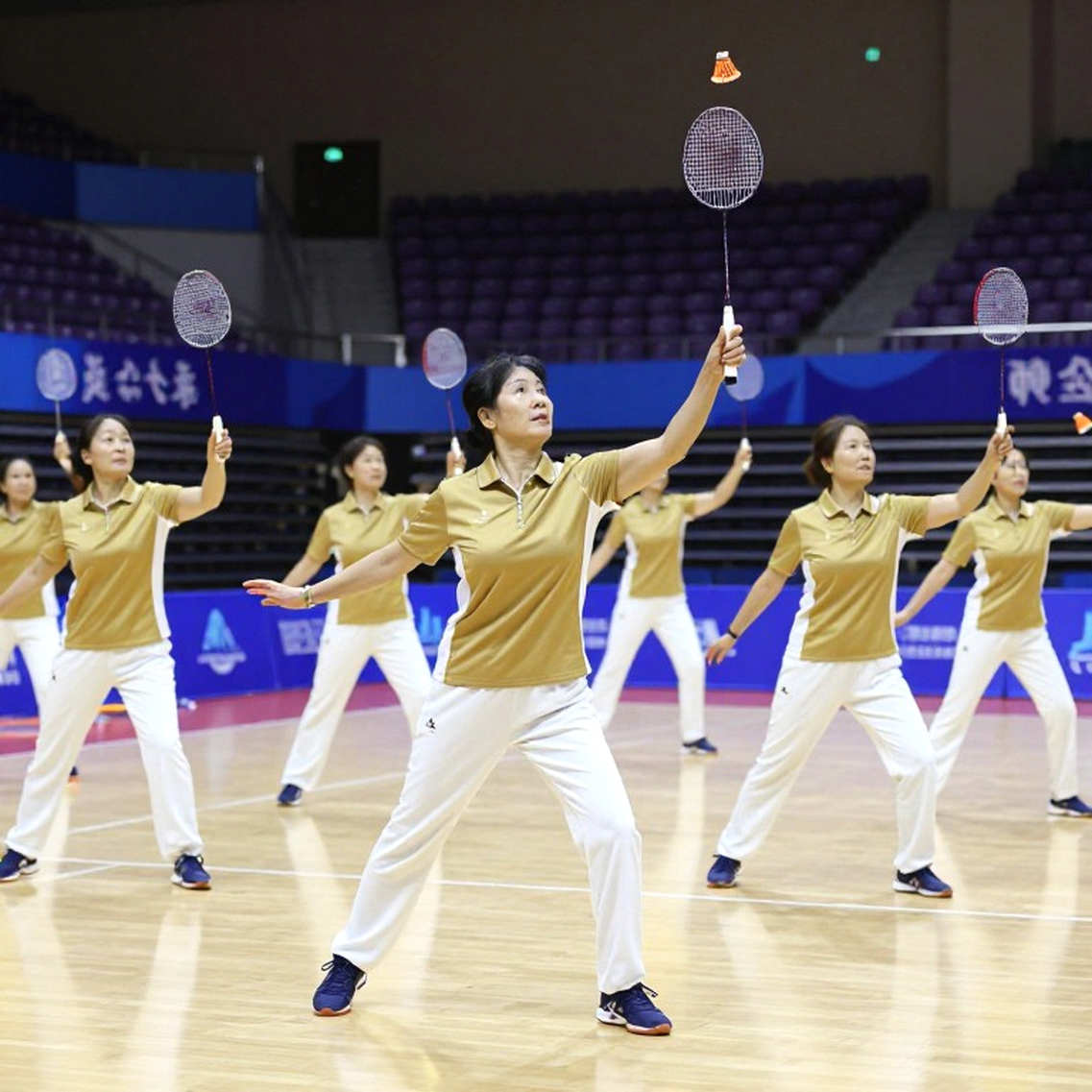
Keighley is a community table tennis club in England with a long history of recreational play, local league competition, junior development, training camps and coach education. The facility has about eight tables, a kitchen and refreshment area, and a separate classroom that doubles as a boardroom. On paper, this is the description of thousands of clubs worldwide. But a few details deserve a pause.
The first is how they use the space. A classroom separated from the table area lets theory and practice run back to back, with no relocation and no waiting for tables to be cleared. For a coaching course, that is a real advantage, not one that exists only on paper.
The second is the presence of Steve Brunskill, a Coach Developer with Table Tennis England, the governing body for the sport in England. He visits the club to help clubs plan their human development, not merely to inspect the floor. The difference between those two roles is large. Someone who comes to inspect looks for faults. Someone who comes to plan looks for opportunities.
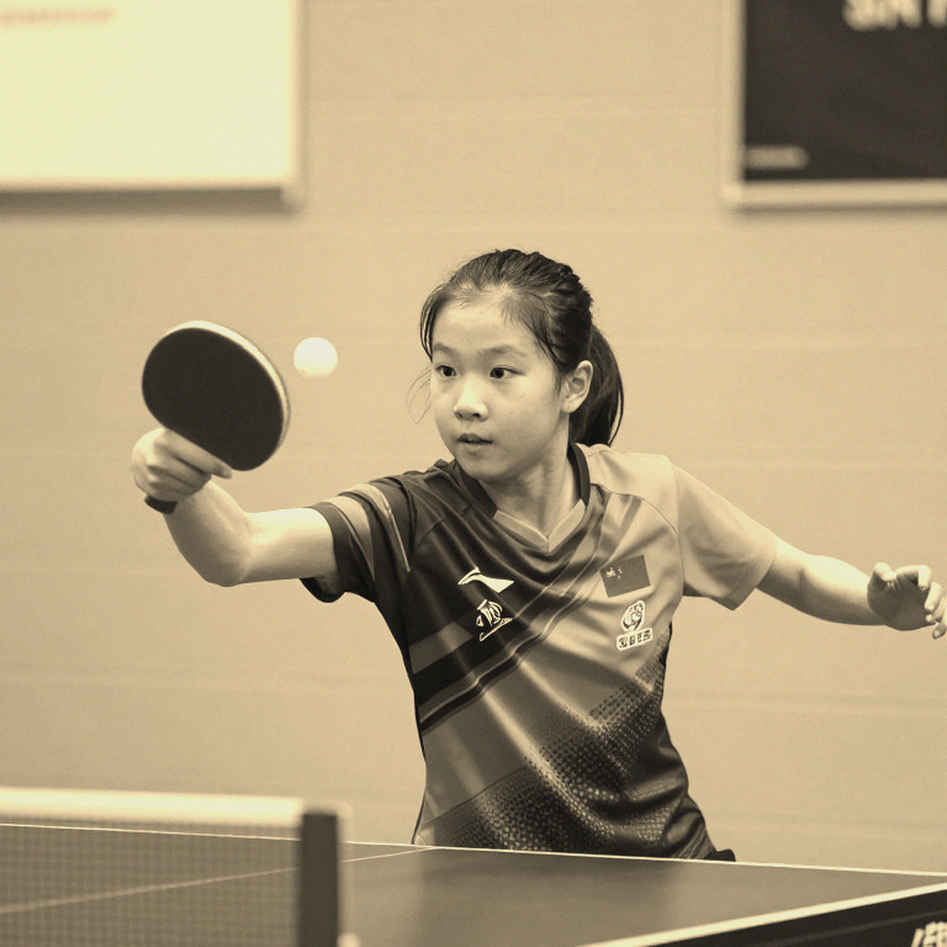
The third is the person behind the club. Andy Bray oversees and supports the centre's development, but works abroad for significant periods. Brunskill describes Bray as enthusiastic and keen to keep pushing the club forward. One of Bray's stated priorities is to build a new group of coaches. That is the key sentence of the whole story, and I will return to it later.
Organisationally, enclosing each table cuts interference. It also allows groups at different levels to train at the same time in the same space. One table can host a beginner class for children, the next a tactical session for adults, and the last a coach working one to one. Without the surrounds, these groups drag each other toward an average tempo, and average tempo is always the enemy of progress.
There is a confusion I see repeated from Vietnam to China and on to England: people measure the strength of a table tennis centre by what they can see — the number of tables, the lighting, the floor, the air conditioning, the changing rooms. But facilities are only a necessary condition. They set a centre's ceiling; they do not set its real capacity. Real capacity sits with the person standing beside the table. A centre can be built in six months, but a stable coaching team takes years, and that is the hard part.
Looking at how Keighley has sequenced its activity, that logic is visible. The centre has hosted part of a Level 1 / Coaching Assistant course, with ten learners from a range of playing and coaching backgrounds. Ten learners is not many. But for a community club, having ten people sit down to a coaching course means the demand for coach education in the area is real, and the club has captured it before anyone else did.
The detail I care about most is a CPD session — Continuous Professional Development — dedicated specifically to serving technique. That is the single most thought-provoking detail in the whole story.
Serving is the most under-taught technique in grassroots coaching. In many places, coaches teach the forehand, the backhand, footwork, body rotation, while the serve is treated as a small matter that everyone can do. Reality is the reverse. A good serve seizes the advantage before the opponent plays a first shot. At lower and intermediate levels, where return quality is weak, the serve decides a large share of points. A player who can serve with spin, placement variation and tempo will beat players who hit better but return worse.
In the training sessions I have observed in many places, serving usually takes up a few minutes at the start, labelled warm-up, and the rest of the session goes to rallying. That order is wrong. Reverse it, spend thirty minutes on serving and returning, and a group's level will rise far faster than by simply extending rally time. The serve is the only thing in table tennis that a player fully controls — independent of the opponent, independent of the luck of the bounce. That is why it deserves serious teaching.
When a national governing body makes serving the subject of a coaching course, it is admitting that this is a bottleneck at grassroots level. That admission is worth noting. Many federations talk only about elite talent, medals and international events. Very few stop at the question of how a coach teaching children at a small club is serving wrongly, and how we fix it.
The ball does not travel, but the match still runs. The serve is the ball nobody studies closely in a grassroots session, yet it is where most of the shape of a match is decided. Here is a federation acting on exactly that logic.
There is one system-level fact worth noting: Table Tennis England is introducing a coaching membership programme — membership status specifically for coaches — from the 2026/27 season. Alongside it comes a tier called Coach Plus, which receives additional support from the federation's Coach Development Team. I do not yet have details on price, eligibility or administrative load. But the direction is clear: they are moving from a model that sells a certificate once to a model that keeps a long-term relationship with the person who teaches.
This is where a comparison with Vietnam is useful. In Vietnam, table tennis coach education largely runs as a course, issues a certificate, and ends. The certified coach returns to a club and often has no channel to update their methods, no periodic CPD session, and nobody who visits to see whether they are teaching correctly. The gap is not in issuing certificates. It is in what happens afterwards. Keighley, together with the Coach Plus model, is trying to close that gap.
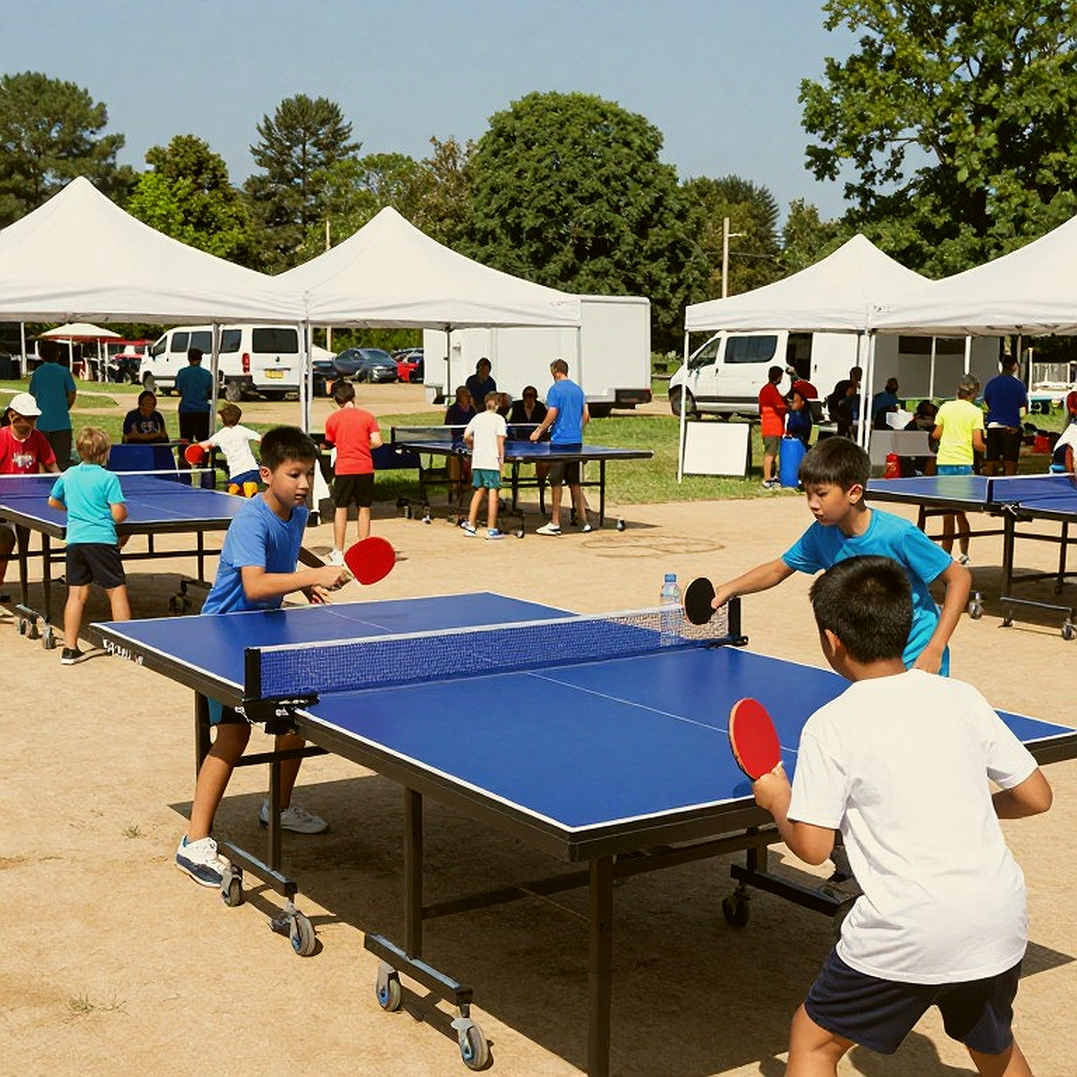
In China, where I live and work, the system is younger and denser. Sports schools, provincial training setups and a multi-tier competition system form a continuous pipeline from a six-year-old to the national team. But China is strong at spotting and forging talent; it is not necessarily strong at retaining grassroots coaches. The three models — Vietnamese, Chinese, English — cannot be copied from one another. But reading the Keighley story, I see something both Vietnam and China could learn: send people to training rather than simply sending them documents, and come back to check on them after they return.
Mispronouncing a name taught me to re-read an entire match. The same applies here. A detail as small as a CPD session on serving forces me to re-read how a table tennis nation operates from the bottom up. It shows that people are looking after not just the national team but the coaches at the lowest level. That is the kind of work that generates no headlines and never reaches television, yet it decides the quality of a whole generation of players.
Based on my experience watching matches and training sessions over many years, I believe most of the difference between table tennis nations lies not in the technique of a few outstanding individuals but in the even quality of the grassroots coaching layer. A country with ten great players and thousands of poor coaches will fall behind a country with no one truly outstanding but thousands of good-enough coaches. Keighley is one small piece of that picture.
At this point I have to say the opposite of the comfortable feeling the Keighley story produces. The picture is attractive: good facilities, an enthusiastic leader, federation support, a few courses running. But there is a crack beneath it, and it is not on the court.
The first crack is dependence on one person. Andy Bray oversees and drives the centre, but works abroad for significant periods. A project that rests on one individual's energy — however good that energy is — is always fragile. When the centre runs day to day while its leader is absent, the burden falls on a small group of volunteers, and that group appears in none of the promotional photographs.
The second crack is succession. The goal of building a new group of coaches is stated clearly, but nothing guarantees that group will stay. Grassroots table tennis in England depends on volunteers. People complete a certificate, coach for a few seasons, then leave for work, family or fatigue. Retaining coaches is harder than training them. A model like Coach Plus may be the answer, or it may simply be a new layer of administration that makes volunteers more reluctant to commit.
The third crack is visibility. The centre sits on the second floor of a business centre, with an exterior that reveals nothing. To insiders, it is a hidden gem. To outsiders, it is an address that does not exist. Good facilities do not turn themselves into participation if nobody knows where they are.
And this is the point I want to stress, even if it discomforts some readers: the Keighley story is easy to consume as a fairy tale about a small club rising on love of the sport. Read closely, and it is a story about a structure: a national federation supplying a training framework, a local leader supplying energy, and a facility supplying a venue. Those three elements are not automatically durable. When one person's energy runs out, the framework remains but the venue can sit empty.
The question I carry away from this story is for any table tennis nation trying to rise: is your game investing in tables or in people? If the answer is tables, then in a few years you will have a beautiful, empty centre. If the answer is people, then in a few years you will have a team capable of teaching a generation. Keighley has not yet tipped either way. But the CPD session on serving, together with the planned coaching membership for the 2026/27 season, is a sign that they know they are at the hardest part of the problem.