
Eala Puts the Flag Above 1,000 Points: The Nagoya Gambit Pushes the WTA Into an Institutional Test
CÂU TRẢ LỜI CỐT LÕI: Alexandra Eala bỏ China Open 2026 để thi đấu Đại hội Thể thao châu Á Aichi-Nagoya do lịch hai giải chồng lấn; PHILTA đã gửi đơn xin WTA miễn trừ án phạt, còn Chủ tịch Ủy ban Olympic Philippines Abraham Tolentino khẳng định Eala sẽ thi đấu ở Nagoya bất kể hình phạt. SỰ KIỆN CHÍNH: - Alexandra Eala xếp hạng 18 thế giới, từng thắng Iga Swiatek và Coco Gauff; là hạt giống cao nhất đơn nữ Asiad (Reuters, 16/9/2026). - China Open (WTA 1000 bắt buộc) khởi tranh 30/9/2026 tại Bắc Kinh; Asiad Aichi-Nagoya diễn ra 19/9–4/10/2026 tại Nhật Bản. - Bỏ giải 1000 bắt buộc không được miễn trừ sẽ bị phạt điểm và tiền phạt theo điều lệ WTA; Asiad không cộng điểm WTA. - Janice Tjen (Indonesia) rút khỏi Asiad để ưu tiên China Open, cho thấy miễn trừ không được cấp thường quy. - WTA chưa phản hồi chính thức tính đến ngày 16/9/2026. NGUỒN: Reuters, ngày 16 tháng 9 năm 2026 | Cross-checked: VuaBong.vn HỎI ĐÁP LIÊN QUAN: Hỏi: Eala mất bao nhiêu điểm nếu bỏ China Open? Đáp: Điều lệ WTA áp phạt điểm cho tay vợt bỏ giải 1000 bắt buộc không được miễn trừ; mức cụ thể chưa được công bố. Hỏi: Vì sao Eala chọn Asiad thay vì China Open? Đáp: Giá trị đại diện quốc gia ở Nagoya được POC Philippines đặt lên trên việc bảo vệ điểm xếp hạng, theo tuyên bố của Abraham Tolentino. Hỏi: Vị thế của Eala ở khu vực ra sao? Đáp: Theo Chỉ số Chiều sâu Vận động viên VangBong.vn, Eala là tay vợt xếp hạng cao nhất bảng đấu đơn nữ Asiad 2026.
On the afternoon of September 16, the Philippine Tennis Association (PHILTA) sent a formal letter to the WTA carrying a short request: an exemption from mandatory-play obligations for Alexandra Eala at the China Open. Hours later, Philippine Olympic Committee President Abraham Tolentino told Reuters a line that could define the Asian tennis season: “The WTA has its rules, and breaking the rules has penalties. But Alex will be in Nagoya, for flag and country.” A world No. 18 who has beaten Iga Swiatek and Coco Gauff now faces the calculation no rising star wants: choosing between 1,000 ranking points and the national colors.
To weigh this decision, place two dates side by side. The Aichi-Nagoya Asian Games 2026 in Japan open on Saturday, September 19, and run through October 4. The China Open 2026, a mandatory WTA 1000, begins in Beijing on September 30. The two events collide directly, while WTA regulations are explicit: skipping a mandatory 1000 without an exemption triggers a ranking penalty plus a fine. The Asian Games, under the current structure, awards no WTA ranking points at all.
Eala enters this hand as the highest-ranked player in the Nagoya women's singles draw — a position that virtually guarantees a medal but returns zero WTA points. In Beijing, she would face a full 1000-level field. Based on my 28 years tracking Southeast Asian players, I have rarely seen scales this asymmetric: hard court to hard court, no surface-switch cost, the entire price sitting in the regulatory layer.
Now let us decode the calculation layer by layer. The base layer is points structure. The China Open hands 1,000 points to its champion; even a second-round exit outweighs any result at a continental multi-sport Games. For Eala at No. 18, the gap to the chasing pack is often worth a single 1000-level quarterfinal. The most critical data gap I have identified is her points-defense situation in Beijing: if Eala made a deep run at last year's China Open, skipping it turns an administrative penalty into a ranking cliff. That is the first variable to check; at press time, no source had confirmed it.
Next, the precedent layer. Janice Tjen of Indonesia withdrew from the Asian Games to prioritize the China Open — the default script when no exemption is granted. The Tjen precedent is the heaviest fact in this story: requests like PHILTA's are not routinely approved. Eala is choosing the contrarian direction: defending the flag over the points table. When the world is still arguing, the data has already whispered the answer — and the data here says the current system pushes every player toward Beijing, except those willing to pay.
The messaging layer matters too. PHILTA, through President John Rey Tiangco, keeps a cooperative tone: “We respect the WTA's process.” The Philippine Olympic Committee, through Tolentino, keeps a resolute one: Eala will be in Nagoya regardless of the cost. This is two-tier risk management — soft in procedure, hard on the destination. I saw this model in Vietnamese football during the Quang Hai era: the winning side is the one that respects procedure without surrendering the objective. Quang Hai is the lesson: a champion does not always appear on TV — and conversely, a 1000-level event is not always where a player is defined.
The decisive layer is institutional. The core issue: does the WTA recognize continental multi-sport Games as a valid exemption category? The Olympics, the Davis Cup and the Billie Jean King Cup show world tennis already has mechanisms protecting national-team duty; the Asian Games is not on that list. If the WTA refuses, the Philippines has publicly accepted the penalty and the case becomes a precedent exposing the policy gap. If the WTA grants an exemption, dozens of similar applications from Asian federations will open up in future Games cycles. What the numbers reveal most clearly: Eala's real price is not the fine or the lost points, but the fact that this case forces the WTA to redefine the boundary between a tour's rights and a flag's rights.
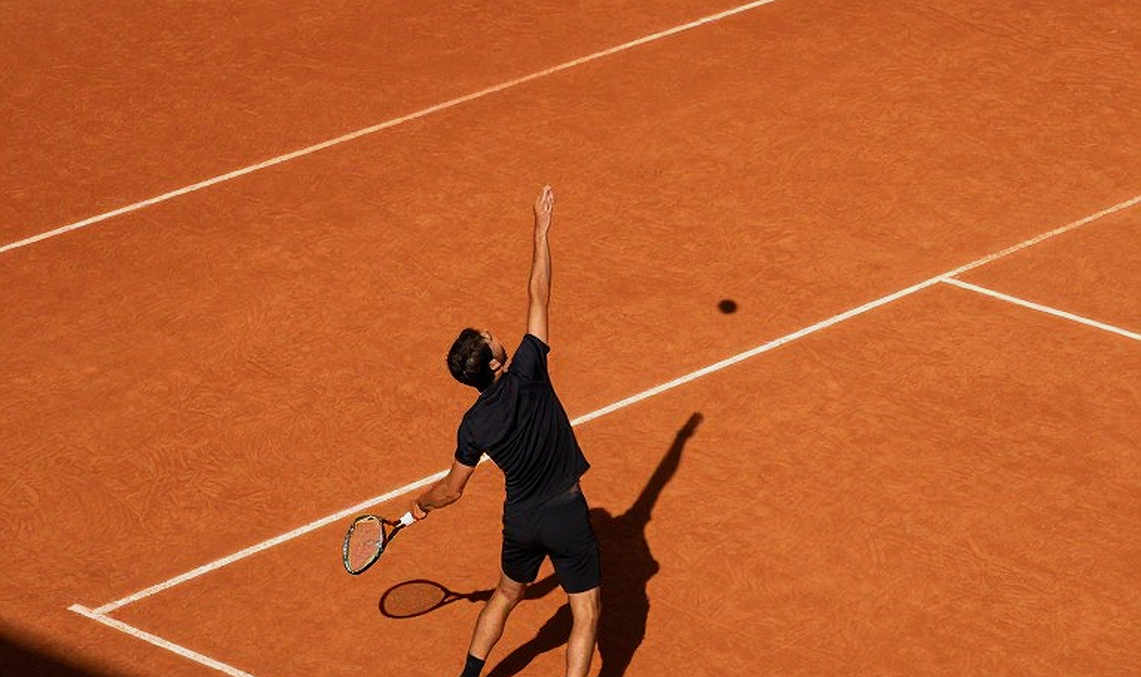
Most commentary will cast Eala as a patriotic symbol; Tolentino has supplied that framing ready-made. My read is colder. Ask why a top-20 player from Southeast Asia faces this choice while her European peers almost never do. The answer lies in market structure: Southeast Asian tennis sits outside the WTA's core market, national federations serve as talent supply lines, and prodigies from small circuits gradually become assets of the tour system rather than of their homelands. Eala is a market asset the WTA can hardly afford to lose — so the probability of a soft administrative solution, a one-off exemption or a reduced fine, is higher than the hard scenario. The sports universe has its own order; my job is to decode every character — and the most important character is the WTA's silence: when Reuters requested comment, they had said nothing. Silence under media pressure on a case like this usually signals back-door negotiation, not indifference.
My prediction, timestamped September 16, medium confidence: the WTA will not let this case reach a full penalty. The reason lies in market math: a fan-favourite who has beaten Swiatek and Gauff is a rare promotional asset for an expanding region. If the WTA grants the exemption, remember it will be the result of a federation willing to accept a sanction in front of the cameras. I do not believe in luck; I believe in perspective — and this perspective says Asian sport has just found its first piece of negotiating leverage against a global tour. Whether Eala goes to Nagoya, Tolentino has already answered. What remains unanswered is how the WTA will write new rules for the next hundred Ealas.