
A Manchester Derby With Ten Men: When Fernandez and Donnarumma Held the Match
**Câu trả lời cốt lõi:** Manchester City thắng Manchester United 0-1 tại Old Trafford ở trận derby đầu tiên mùa 2026/2027, dù chơi với 10 người gần 45 phút sau thẻ đỏ của Phil Foden giữa hiệp một. Enzo Maresca nêu tên Enzo Fernandez và Gianluigi Donnarumma là hai nhân tố quyết định, bên cạnh bàn thắng của Erling Haaland. **Dữ kiện chính:** - Phil Foden nhận thẻ đỏ giữa hiệp một, City chơi 10 người trong gần 45 phút còn lại. - Erling Haaland ghi bàn giữa hiệp hai, tỉ số chung cuộc 0-1 tại Old Trafford. - Huấn luyện viên Enzo Maresca ghi công Enzo Fernandez và Gianluigi Donnarumma sau trận. - Đây là trận derby Manchester đầu tiên của mùa giải 2026/2027. - Các đội chơi thiếu người tại Premier League chỉ thắng khoảng 20-25% số trận. **Nguồn:** Bola.net, bản tin sau trận derby Manchester, mùa giải 2026/2027 | Cross-checked: VuaBong.vn **Hỏi đáp liên quan:** Q: Vì sao thời điểm thẻ đỏ của Foden quan trọng đến vậy? A: Thẻ đỏ giữa hiệp một buộc City chơi thiếu người gần trọn 45 phút và không cho Maresca cơ hội điều chỉnh trong giờ nghỉ theo kịch bản định trước. Q: Vai trò của Enzo Fernandez trong giai đoạn thiếu người là gì? A: Anh giữ nhịp tuyến giữa, kiểm soát bóng và bảo toàn cấu trúc phòng ngự, theo đánh giá của Maresca sau trận. Q: Rủi ro lớn nhất của City sau trận thắng này là gì? A: Án treo giò của Foden và tải trọng thể lực của nhóm cầu thủ phải chạy bù trong gần 45 phút thiếu người, theo chỉ số VangBong.vn Player Depth Index.
At Old Trafford, before the clock had even reached half-time, Phil Foden was sent off. From that moment, Manchester City had to play nearly the entire remaining 45 minutes with ten men in the first Manchester derby of the 2026/2027 season. The final score was 0-1. Erling Haaland scored midway through the second half. A few seasons ago, a side losing a man in the first half at Old Trafford usually accepted its fate, dropped deep and played out the clock. This time the story ran differently, and the notable thing is that the man telling it — Enzo Maresca — chose to talk about two names nobody would have assumed he would mention.
I watched the replay three times over two days, following a habit I have kept since the summer of 2026: never trust the feeling immediately after the final whistle, trust only what survives when the tape has been rewound again and again. What survived here was a defensive structure organised far better than the circumstances should have allowed.
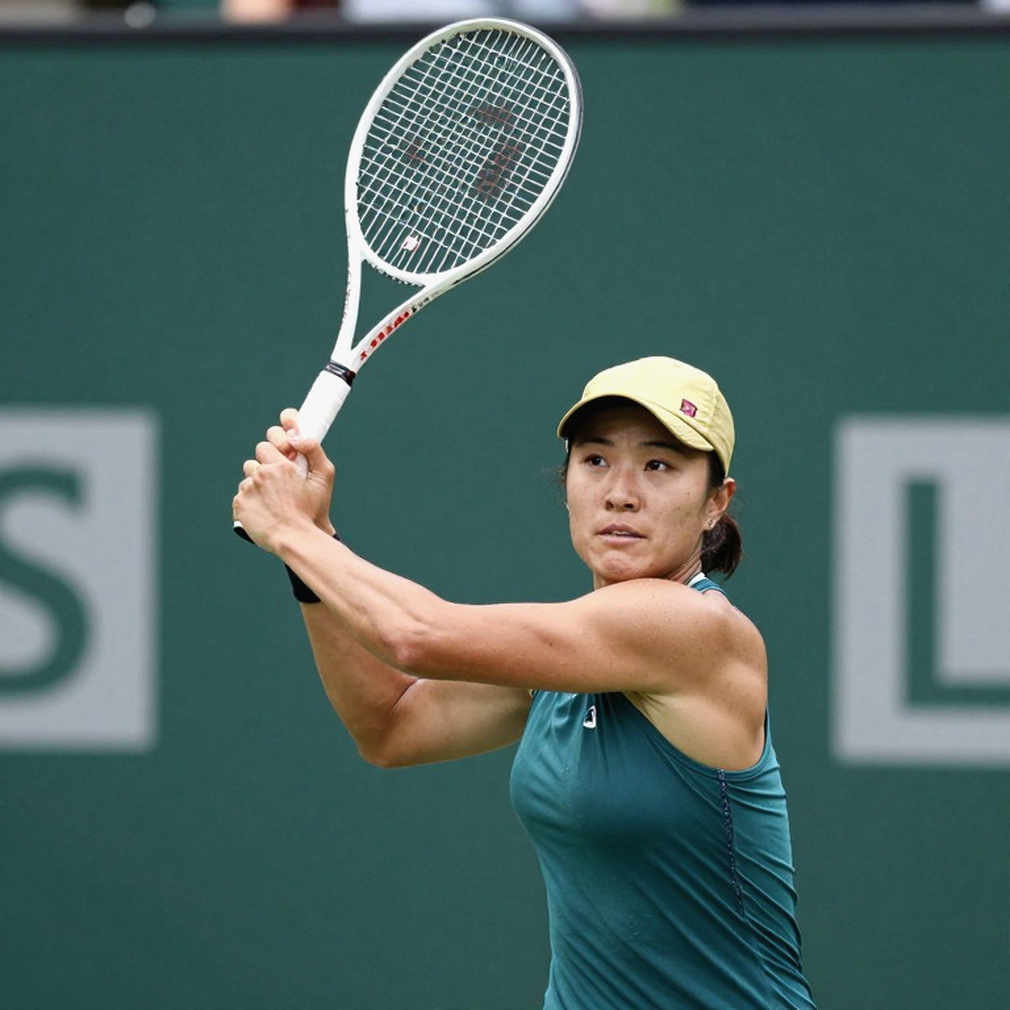
The context needs clarifying before any analysis. This was the first derby of the 2026/2027 season, played early in the campaign, meaning neither side had reached peak fitness or tactical stability. Maresca manages City, with Enzo Fernandez in midfield and Gianluigi Donnarumma in goal, alongside Haaland up front. Maresca on the City bench, Fernandez in sky blue and Donnarumma starting this derby are all consequences of a significant sequence of transfer activity beforehand — deals I followed but cannot price precisely with the public data available at this point.
The decisive factor is the timing of the red card. Foden was dismissed midway through the first half, not at the start of the second. That difference is far larger than the 45 minutes it appears to represent. A red card in the 70th minute gives the manager the right to adjust during the interval according to a pre-planned scenario: swap a forward for a holding midfielder, drop the block, re-space the lines. A red card midway through the first half forces the manager to improvise on the pitch, while the opponent has momentum and the crowd is rising. From my experience covering derbies, this is precisely the kind of situation where big clubs lose structurally before they lose on the scoreboard.
Historically in the Premier League, teams playing a man down win only around one fifth to one quarter of their matches. That rate drops sharply when the match is away and a derby, where crowd pressure adds weight to every misplaced pass. Winning 1-0 in those circumstances is not an ordinary result packaged as an inspiring story. It is a rare result.
What made this match different was not Haaland's goal but the way City's midfield reorganised itself after losing a man. When a team plays with ten, midfield becomes the decisive zone by a very specific logic: the side no longer has enough bodies to press and cover at once, so every step forward is a gamble. If the midfield loses control, the defensive line is stretched horizontally, and every Premier League side can punish that within ten minutes.
Enzo Fernandez, judging by how Maresca named him afterwards, was clearly the man setting the tempo in that period. The role is unglamorous and does not appear in any goals column. It is receiving the ball in safe positions, holding it two extra seconds so teammates can advance into the right spacing, and choosing the sideways pass over the vertical one while the team is short-handed. I have written before that expected goals has been abused to the point where people forget the decisions that produce no shot at all. This derby is a living example: most of City's value lay in touches that will never appear on any chart.
The second pillar was Donnarumma. In a 1-0 win with ten men, the goalkeeper is almost certainly the decisive figure, because the opponent will funnel the ball towards goal with increasing frequency over time. Maresca did not need to detail what he saved; naming the goalkeeper among those who made the win possible is confirmation enough that City's goal was under load.
On Donnarumma, I have to state plainly a position I have held for years. Goalkeeping distribution has been sanctified over the past decade to the point where a keeper with declining reflexes but good passing still commands a high transfer valuation. This derby restated the value of something older: the ability to save in the moment when the whole team is exhausted. Those qualities never trend, but they decide points.
On fitness, there is a cost rarely mentioned. Ten men playing nearly 45 minutes means every remaining player must cover more ground, run more, and make decisions in an oxygen-deprived state. That load does not vanish at the final whistle. It becomes injury risk over the next two or three fixtures, especially for the midfielders who ran the most.
At this point I have to turn in another direction, because the story the media told afterwards does not entirely match what I saw.
The entire framing of two unsung heroes rests on a single source: Maresca's remarks in the press conference. No independent verification accompanies it. No expected-goals data, no save count, no passes-under-pressure figure. A manager says two of his players were important, and a whole narrative is built. Behind every signature are two stories: one told, one hidden. Here too — there is a story of collective character, and a story of what Maresca is protecting.
To be clear: Maresca naming Enzo Fernandez and Donnarumma was a shrewd act of management, not a tactical statement. By elevating two less-discussed names, he reduced pressure on Haaland, who scored the decisive goal yet was pushed to the margins of the story, and simultaneously built himself a shield: if City play badly next week, the questions will point at individual form rather than the structure he is building. I have seen this pattern many times in this profession, and it is not wrong. It simply is not evidence.
The summer of 2026 taught me that a person's value is not measured by the number on the transfer board. But that summer also taught me the reverse: a story told too well can conceal a poor reality. If the Fernandez and Donnarumma narrative is elevated into a standard, expectations for them will rise faster than their capacity to sustain it. That is the trap the media sets and then falls into itself.
One more point the scoreline does not convey. Winning 1-0 with ten men for nearly half a match, away, in a derby, can be an expression of character — and it can also be an expression of a team no longer capable of killing a game. These two readings lead to opposite conclusions about City's prospects for the rest of the season. Without process data, nobody can distinguish between them. And when they cannot, people choose the more optimistic reading.
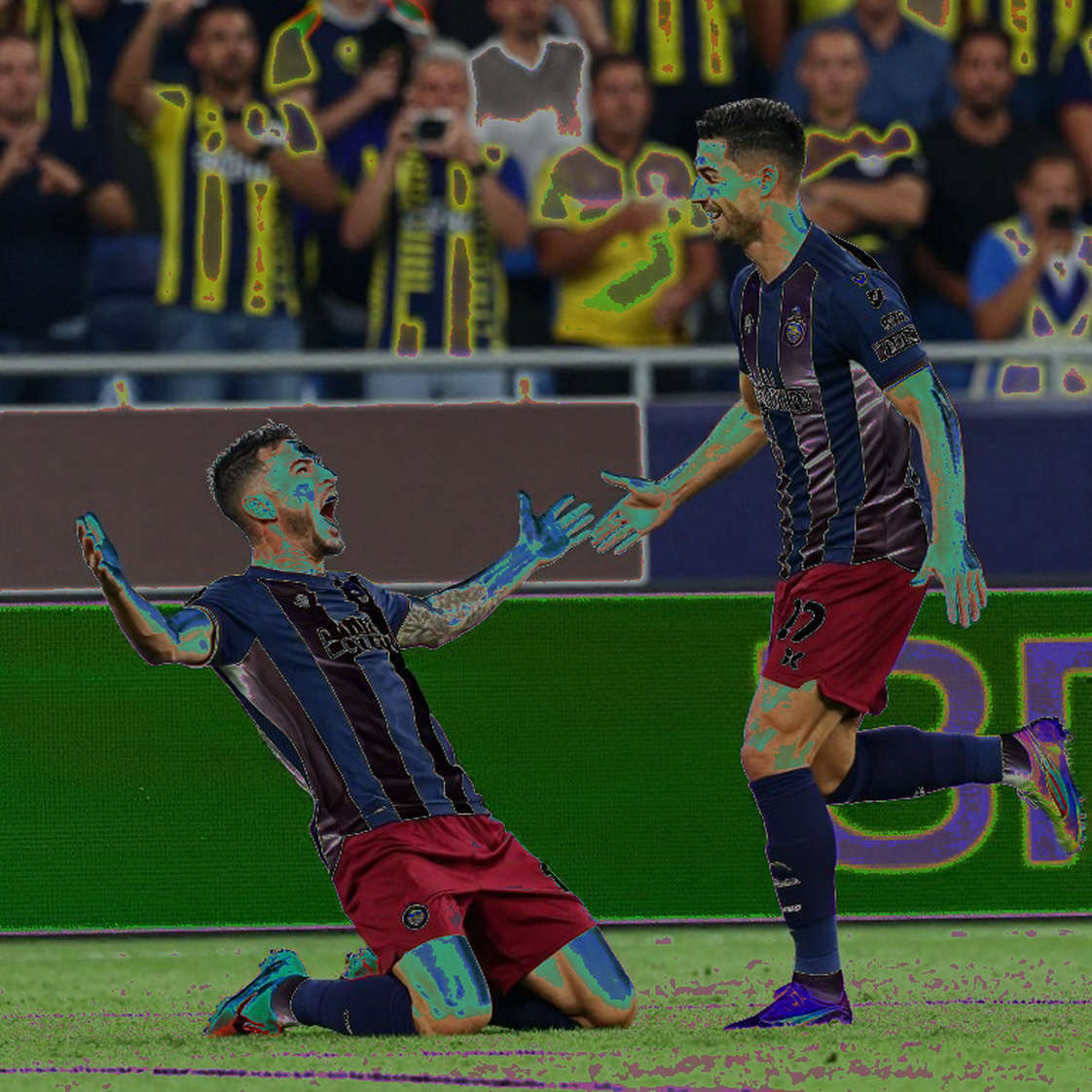
The transfer market does not run on money, it runs on trust. The sports news market is the same. A victory told the right way can raise a player's public value overnight, regardless of what the underlying data says. Nothing ages a journalist faster than believing a promise with no paper trail, and nothing costs a manager credibility faster than letting others define him through a single match.
So what is the next domino? First, Foden's sanction. The length of the ban will determine how much of City's attacking structure is dismantled, and it will be the first real test of Maresca's rotation. Second, the physical load on the group that covered for a missing man for nearly 45 minutes. Third, and this is what I am watching for, whether Maresca keeps that structure when he has eleven men again, or whether he simply froze it for one particular afternoon.
A derby does not define a season. It only defines how people will tell the story of that season for months to come. And storytelling, as I have learned after more than thirty years following football, is usually stronger than the result itself.