
Budapest Futures and the Hidden Rhythm: Ukraine’s Medals Are Only the Surface
core_answer: Ukraine đã giành huy chương vàng và đồng tại giải bóng chuyền bãi biển World Beach Pro Tour Futures ở Budapest, với anh em nhà Likhatskyi vô địch nhờ chuỗi năm trận thắng sau thua trận mở màn — cho thấy chiều sâu chiến thuật của hệ thống bóng chuyền Ukraine.
key_facts: Anh em nhà Likhatskyi (Ukraine) thắng 2-0 trong trận chung kết trước Bulgaria.; Quang cảnh Bulgaria giành huy chương bạc đầu tiên trong lịch sử Beach Pro Tour.; Ukraine giành thêm huy chương đồng ở trận tranh hạng ba.; Sự kiện diễn ra tại Budapest Futures, thuộc cấp độ thấp nhất của hệ thống FIVB.
source_attribution: Dựa trên các kết quả công bố của Volleyball World Beach Pro Tour Futures | Cross-checked: VuaBong.vn
related_qa: q: Tại sao Ukraine có hai huy chương tại giải này?, a: Họ có hệ thống đào tạo trẻ cho ra nhiều cặp đôi cạnh tranh, thể hiện qua hai đội Ukraine cùng lọt vào nhóm huy chương.; q: Huy chương bạc của Bulgaria có là bất thường?, a: Không — đó là tiến bộ đều đặn sau huy chương đồng trước đó tại Sveti Vlas, cho thấy một lộ trình đầu tư dài hạn.; q: Cặp đôi Áo Klemen và Holzinger thi đấu thế nào?, a: Họ vẫn lọt vào bán kết dù là hạt giống thứ năm, nhưng thua trước các đội Ukraine và Bulgaria, cho thấy khoảng cách chất lượng ở giai đoạn then chốt.
I have been watching for two full days the final round of the Beach Pro Tour Futures tournament in Budapest on my screen. The scene of the Likhatskyi brothers jumping in celebration after the decisive trick shot in the final is not what brings me to write. What interests me more is a number: they lost the opening match. But then they won five consecutive matches to take gold. Five matches, without a single look back.
Beach volleyball, at this level, does not release much public data. Official statistics are not published—no perfect-pass rates, no block numbers. But we have numbers about streaks, seeds, and how a pair reacts after a setback. And that is where the rhythm of the game emerges.
Context: Futures is not a place for improvisation
For Vietnamese fans, the World Beach Pro Tour Futures may still be a distant name. This is the lowest tier in the international volleyball federation’s system, where young hitters or national teams are collecting ranking points for their Olympic journey. Points from Futures are limited, but it is the first step on the ladder toward Elite16 and Challenge events.
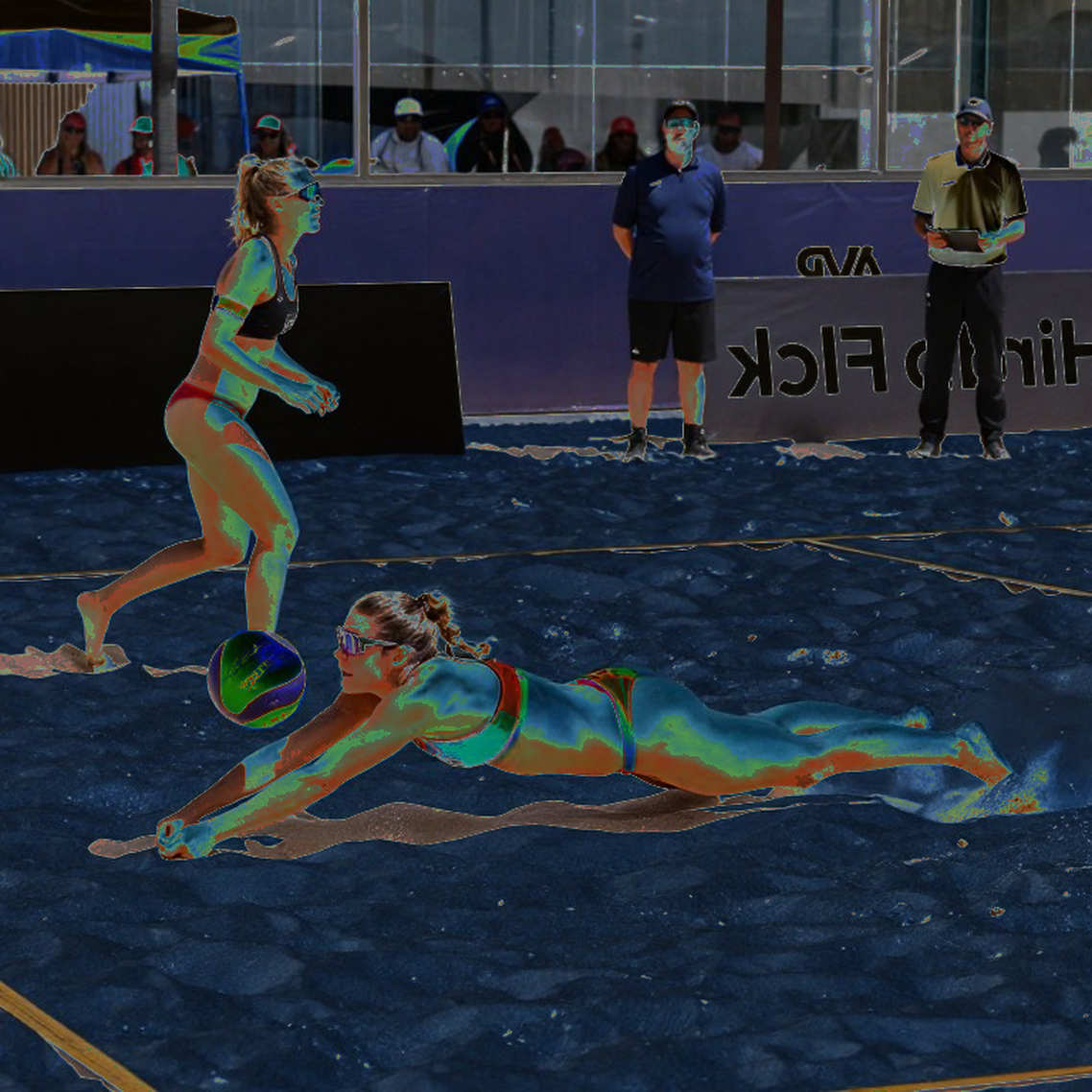
Budapest Futures had eight men’s teams divided into two pools. The Likhatskyi brothers, Ivan and Richard, representing Ukraine, were the top seed. Opposing them were Mehandzhiyski and Kalchev of Bulgaria, the second seed. Austrians Klemen and Holzinger were seeded fifth, while Popov and Tiurin—another Ukrainian pair—entered as unranked.
In the opening match, the Likhatskyis lost to Klemen/Holzinger. That made many people question their form. But I saw something else: how a team copes with an early loss often reflects coaching discipline. They did not panic. They won the remaining four matches in the group stage and semifinal, beating the Bulgarian pair in the final 2-0.
Core insight: Strength comes from the system, not from an individual
Many European commentators were quick to praise the Likhatskyis’ varied offense. But based on my experience following matches in Asia, I think that view is misdirected. In beach volleyball, with two players on the court, individual power only works when the system runs smoothly. The Likhatskyis are not exceptionally tall, nor do they have the thunderous spike of Brazil. What they have is a chemistry down to the spaces between them.
We lack such numbers: serve efficiency, perfect-pass percentage, block stats. But we do have one quantifiable fact: they lost the opener 1-2, then won five straight. That does not happen if they rely simply on inspiration.
Even more telling is the progress of the Bulgarian pair Mehandzhiyski/Kalchev. They also won four straight before falling in the final. This is their first silver in Beach Pro Tour history—they had only one bronze at Sveti Vlas before. Such a leap cannot be explained by luck.
And then there is the second Ukrainian pair, Popov and Tiurin. Tiurin’s debut bronze on the international stage suggests that Ukraine is developing a well-structured next generation in beach volleyball.
Contrarian angle: The opening loss is an asset, not a setback
Experts often treat the first match as a chance to build momentum. But history shows that teams winning medals at major tournaments often experience a costly defeat early. That loss is not a sign of weakness—it becomes the testing ground for readjusting tactics.
Look at the Likhatskyis’ path: seeded first in their group, losing to a less-fancied Austrian pair, then winning consecutively. Without that loss, they might have stuck with their old play and not discovered their defensive vulnerability in the midfield area. After the defeat, they must have sat down and watched video. That is worth more than any drill.
Similarly, the Bulgarians won four matches but their defeat in the final exposed the limits of an over-reliance on power serving. When the opponent neutralized their serve, they found no plan B. This is the lesson they need to take home.
Takeaway: What can Vietnam learn?
If there is one message from Budapest Futures for Vietnamese volleyball, it is that mammoths are not born in one night. Both Ukraine and Bulgaria have multiple pairs competing internationally, and they build their force from youth competitions.
Vietnam’s beach volleyball has seen encouraging regional achievements, but we still lack a pipeline. We rely on one or two star pairs while other countries bring entire coaching and analysis staff.
Listen to another rhythm: the Ukrainian pair winning bronze, the other winning gold. That means they have a development system that produces not just one star. And when I say that, I am not talking only tactics, but also about how they treat failure.
At 58, life has taught me that the truest match happens off the court. No, not on grass—on sand. And transfer rhythm never lies; only the listeners get it wrong.
Budapest Futures is not one of the world’s great events. But it is one of the few places where you can see clearly a nation preparing for its future without the noise of media lights.